
How to Create a Study Routine That Actually Works


Understanding Your Study Goals
Establishing clear and achievable study goals is fundamental to creating an effective study routine. Goals serve not only as a roadmap to academic success but also as motivational drivers that can help maintain focus and commitment. When initiating this process, it is important to distinguish between short-term and long-term goals. Short-term goals may include daily or weekly targets, such as completing specific readings or assignments, while long-term goals could encompass broader objectives like achieving a particular grade or mastering a subject by the end of the semester.
Writing down study goals is a vital practice that allows individuals to visualize their objectives. When goals are documented, they encourage accountability and allow for regular progress assessments. Additionally, effective goal-setting should take into consideration personal interests and academic requirements. Aligning goals with what genuinely interests you can significantly enhance motivation. Therefore, when formulating goals, reflect on subjects that capture your interest and think about how excelling in these areas could benefit you both academically and personally.
Incorporating self-reflection exercises into your study routine can further aid in identifying what you wish to achieve. Spend some time contemplating the reasons behind your academic pursuits. Questions such as “What do I want to learn?” or “How will achieving this goal impact my future?” can yield valuable insights. Regularly revisiting these reflections allows for adjustments to be made to your study goals as needed. This iterative process not only keeps the goals relevant but also ensures they remain aligned with your evolving interests and aspirations.
Ultimately, a well-defined set of study goals plays a critical role in developing a constructive and productive study routine. By recognizing the importance of these goals and incorporating reflection into the planning process, students can foster a deeper sense of purpose in their academic endeavors.
Assessing Your Learning Style
Understanding your learning style is a fundamental step in creating an effective study routine. Various learning styles exist, with the most recognized being visual, auditory, and kinesthetic. Each of these styles reflects how individuals best process and retain information. By identifying your preferred learning method, you can tailor your study techniques to enhance comprehension and retention.
Visual learners thrive on images, diagrams, and charts. If this resonates with you, consider utilizing color-coded notes, infographics, and flashcards in your study sessions. Auditory learners, on the other hand, excel when they engage in discussions, listen to lectures, or participate in group studies. If you find that you retain more information when spoken to rather than reading it, try recording your study notes and listening to them. Kinesthetic learners prefer hands-on experiences, so incorporating physical activities such as role-playing or building models might work well for you.
To help you determine your learning style, consider taking a brief quiz that evaluates your preferences and behaviors when learning new information. Such quizzes usually ask you to reflect on past experiences with learning and allow for a clearer understanding of which style resonates the most with you. Additionally, this assessment can guide you in choosing effective study strategies.
Once you have identified your learning style, you can implement targeted strategies for your study sessions. For visual learners, incorporating color-coding and mind maps can clarify complex concepts. Auditory learners might benefit from joining study groups or engaging in dialogue with peers to solidify their understanding verbally. Kinesthetic learners should explore interactive study techniques, such as simulations or practical exercises, to make the learning process more engaging. By aligning your study methods with your learning style, you can significantly improve both your retention and comprehension of the material.
Designing Your Study Schedule
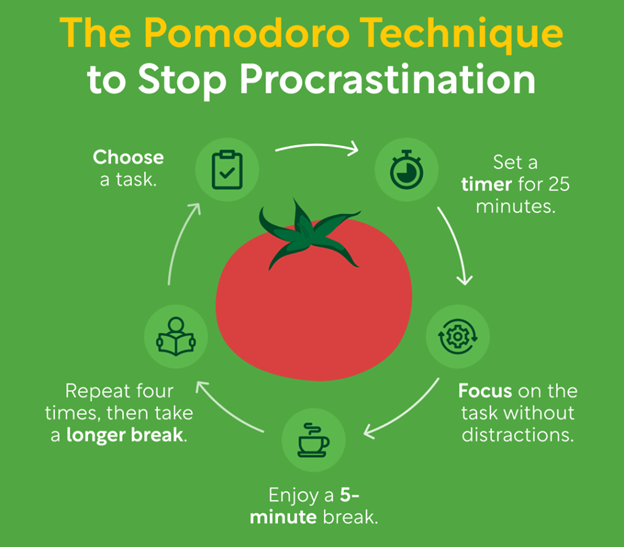
Creating an effective study schedule is fundamental to achieving academic success. A well-defined schedule not only organizes your study time but also enhances time management skills, which are essential for both students and professionals. One popular technique is the Pomodoro Technique, which involves studying in focused intervals of 25 minutes, followed by a 5-minute break. This approach not only improves concentration but also allows for regular mental rest, helping to maintain high levels of productivity throughout your study session.
In addition to the Pomodoro Technique, time blocking is another valuable method for designing a study schedule. This involves allocating specific blocks of time for particular subjects or assignments. For instance, you might dedicate Monday evenings to mathematics, while reserving Tuesdays for literature. By scheduling time blocks, you create a structured environment that reduces distraction and keeps you committed to your studies. Consistency is key; try to study at the same time each day to build a habitual learning pattern.
Equally important is the incorporation of breaks into your study routine. Research indicates that short breaks can significantly improve cognitive function and retention of information. During these breaks, engage in activities that you enjoy, whether they are physical exercises, relaxation techniques, or casual social interactions. Balancing study sessions with personal time is crucial, as overloading on study can lead to burnout and decreased effectiveness.
To illustrate a practical application of these techniques, consider this sample weekly study schedule: Allocate Mondays and Wednesdays for review sessions, Tuesdays for new topics, and Thursdays for practice tests. On weekends, you might include longer study periods with ample breaks to reflect and consolidate learning. By drafting a personalized study plan that incorporates these strategies and being aware of potential pitfalls, such as procrastination, students can foster an environment conducive to effective study and learning.
Monitoring Progress and Adjustments
Monitoring progress is an essential component of any effective study routine. To ensure that your approach to studying remains effective and aligned with your academic objectives, consistently tracking your progress allows for insightful evaluation. Various techniques can facilitate this process, including the use of journals or digital applications specifically designed for study management. Keeping a journal can serve as a reflective exercise, enabling students to note their achievements, challenges, and feelings toward specific subjects or study methods.
Digital tools, on the other hand, offer the advantage of real-time tracking and can include features such as timers, reminders, and analytics regarding time spent on various subjects. Many of these apps foster a robust study environment by integrating task lists, goal setting, and progress assessments. Regular engagement with these tools can help students identify patterns and trends in their learning experience, fostering a more tailored approach to their studies.
Self-assessment and reflection are critical for recognizing the effectiveness of your study routine. Periodically evaluating your performance against your initial goals allows you to determine whether your current routine is yielding satisfactory results. If you notice a decline in performance or motivation, it may indicate that adjustments are necessary. This flexibility is crucial; a rigid study routine can stifle growth and hinder academic success.
Identifying when a routine is ineffective requires honest introspection. Students should be attentive to feelings of boredom or frustration, as these emotions can signal the need for a change in strategy. Embracing a growth mindset empowers learners to view setbacks as opportunities for improvement. Acknowledging that refining your study routine is a continual process encourages adaptability, ensuring that you can evolve your study methods and achieve your academic goals effectively.





Responses