
Building a Personal Learning Plan That Works

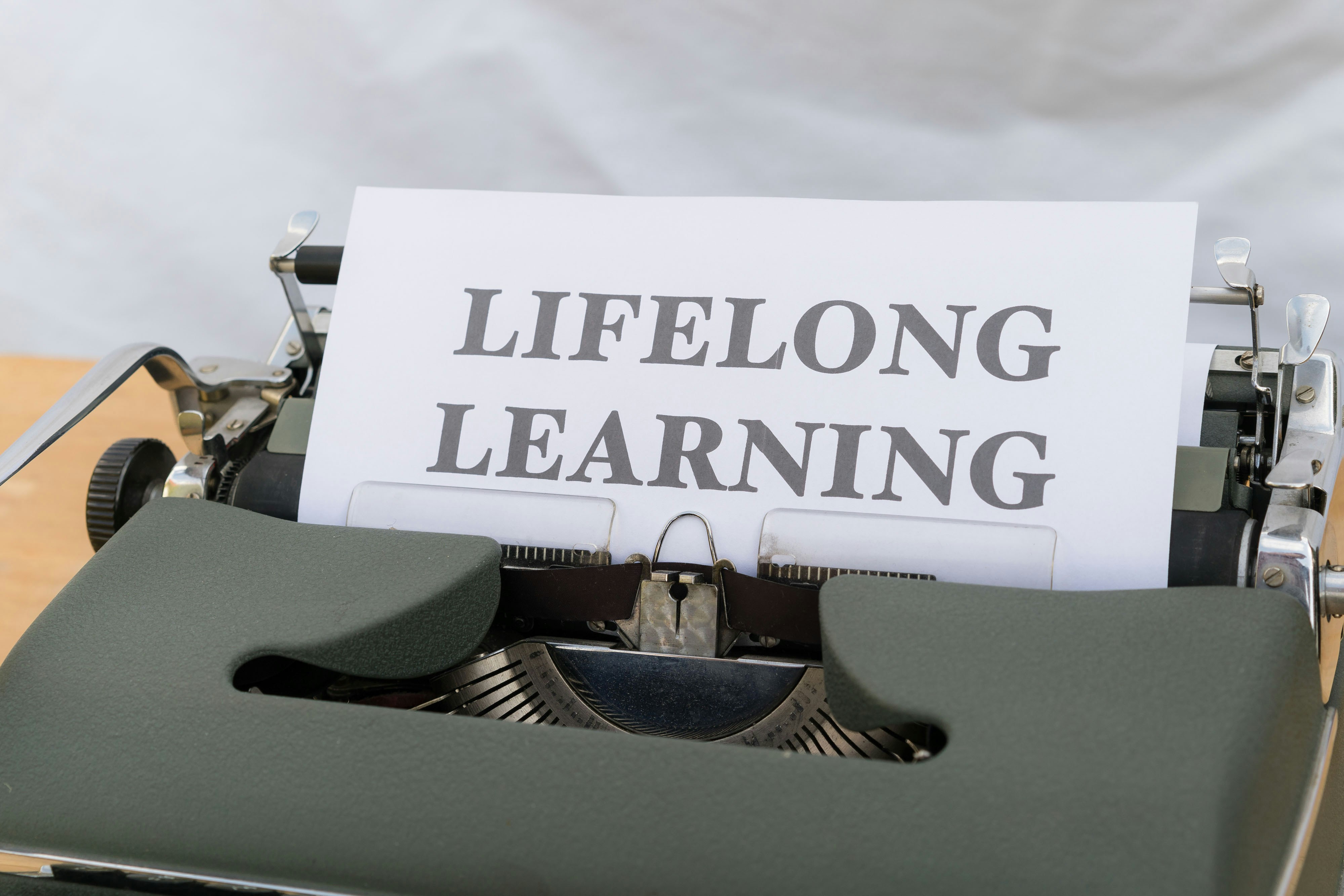
A Personal Learning Plan (PLP) is a valuable tool for organizing and navigating educational and professional goals. It enhances learning efficiency by clarifying objectives, structuring experiences, and helping individuals make better use of their time and resources. One key advantage is its ability to create personalized learning paths, allowing individuals to tailor their learning based on their interests, skills, and aspirations,especially useful in today’s information-rich environment.
A PLP supports goal setting and accountability. By outlining clear short-term and long-term objectives, it provides motivation and direction while allowing for regular progress checks. This sense of ownership over one’s learning journey increases engagement and leads to more meaningful outcomes. In a rapidly changing world, a well-structured PLP not only promotes continuous growth but also equips individuals with the adaptability and skills needed for long-term success
Creating an effective Personal Learning Plan (PLP) begins with clearly identifying SMART learning objectives—specific, measurable, attainable, relevant, and time-bound. These objectives provide clarity and direction, enabling learners to focus their efforts and track progress efficiently. Establishing clear goals from the start helps streamline the learning journey and ensures that time and resources are used purposefully.
Equally important is conducting an honest assessment of current skills and knowledge. This self-evaluation helps individuals identify their strengths and the areas needing improvement, forming a realistic basis for setting achievable goals. Breaking larger goals into smaller milestones creates a sense of progress and keeps learners motivated. This structured approach helps maintain momentum and prevents overwhelm during the learning process.
Successfully implementing a personal learning plan requires structured and actionable steps that align with your learning goals. One of the first strategies is to create a dedicated schedule for your learning activities. Assign specific time slots during the week exclusively for learning, treating them as immovable appointments. This not only creates a routine but also reinforces the importance of personal development. Consistency is key; thus, nurturing a habit of regular learning sessions can significantly enhance your progress.
In addition, maintaining flexibility and practicing regular reflection are crucial for long-term success. Life changes may require adjustments to learning goals or strategies, so being adaptable helps sustain progress. Engaging in peer learning or setting up reward systems can also keep motivation high. Reflecting on what’s working and what isn’t provides valuable insight, ensuring continuous improvement. By combining routine, tracking, adaptability, and reflection, individuals can implement their PLP more effectively and reach their learning goals with confidence.
Lastly, ensure you allocate time for reflective practice. Reviewing your learning experiences periodically will enhance your understanding and encourage continuous improvement. This can include asking yourself what strategies worked well, which did not, and how you feel about your learning journey overall. By integrating these practices into your implementation phase, you can enhance the effectiveness of your learning plan and move closer to achieving your educational ambitions.
Evaluating and Adjusting Your Learning Plan
Evaluating a personal learning plan (PLP) is crucial for tracking progress and ensuring continued growth. Self-assessment tools like milestone checklists and journaling help individuals reflect on their achievements and identify areas needing improvement. Regular reviews of these tools support continuous learning by highlighting effective strategies and pointing out what may need to change. Feedback from mentors, peers, or instructors adds valuable external insights, helping learners spot blind spots and refine their approach based on constructive input and industry developments.
To keep a PLP effective and relevant, adaptability is key. Periodic reviews (monthly or quarterly) allow individuals to revise goals, explore new learning methods, and incorporate fresh resources such as courses or workshops. This flexibility helps learners stay aligned with evolving industry demands. Ultimately, regularly evaluating and updating the PLP empowers individuals to take control of their learning, fosters lifelong learning habits, and builds resilience to meet new challenges,keeping them informed, competitive, and growth-oriented in their careers.
Recommend0 recommendationsPublished in Education



Responses